
Building energy benchmarking is tied to local laws, national programs like ENERGY STAR, and even fines if done incorrectly. Still, many building owners, managers, and teams believe things that aren’t true, or miss key facts.
In this post, we’re busting myths and sharing real benchmarking facts, including stats and laws every commercial property team should know before the next reporting cycle.
What Is Benchmarking?
Benchmarking is measuring your building’s energy use and comparing it to similar buildings. It’s like getting a report card for energy performance. Many cities and states now require benchmarking for large commercial properties as part of clean energy laws.
Benchmarking helps you:
- Track how much energy your building uses
- Find ways to improve efficiency
- Stay compliant with local or state regulations
There are a lot of benchmarking misconceptions out there.
Top 10 Benchmarking Facts

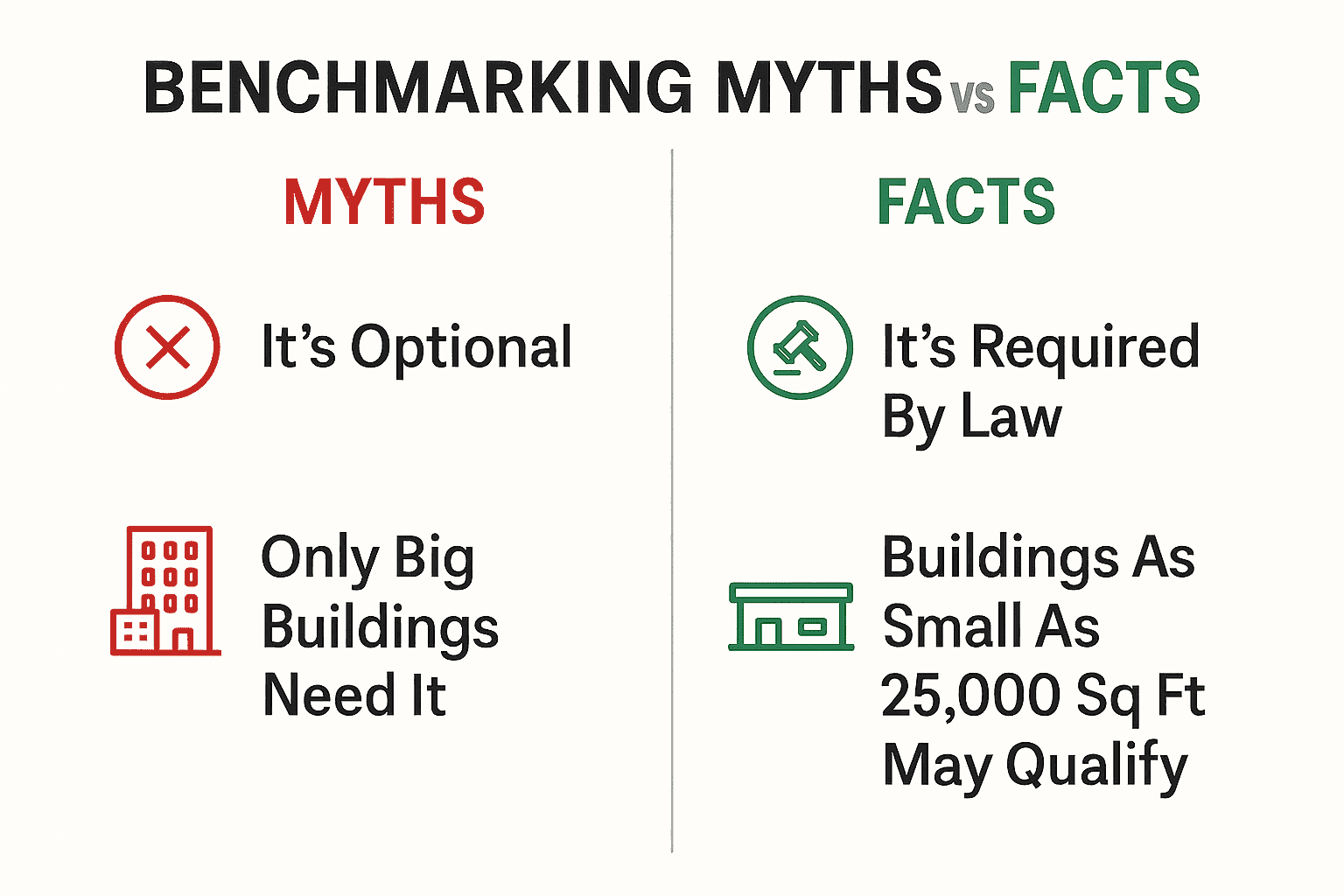
1. Benchmarking Is Not Optional, It’s The Law
More than 40 cities and states require commercial buildings to report energy use every year.
Missed a deadline? Some cities charge fines for each day a report is late.
2. ENERGY STAR Is A Key Part Of Benchmarking
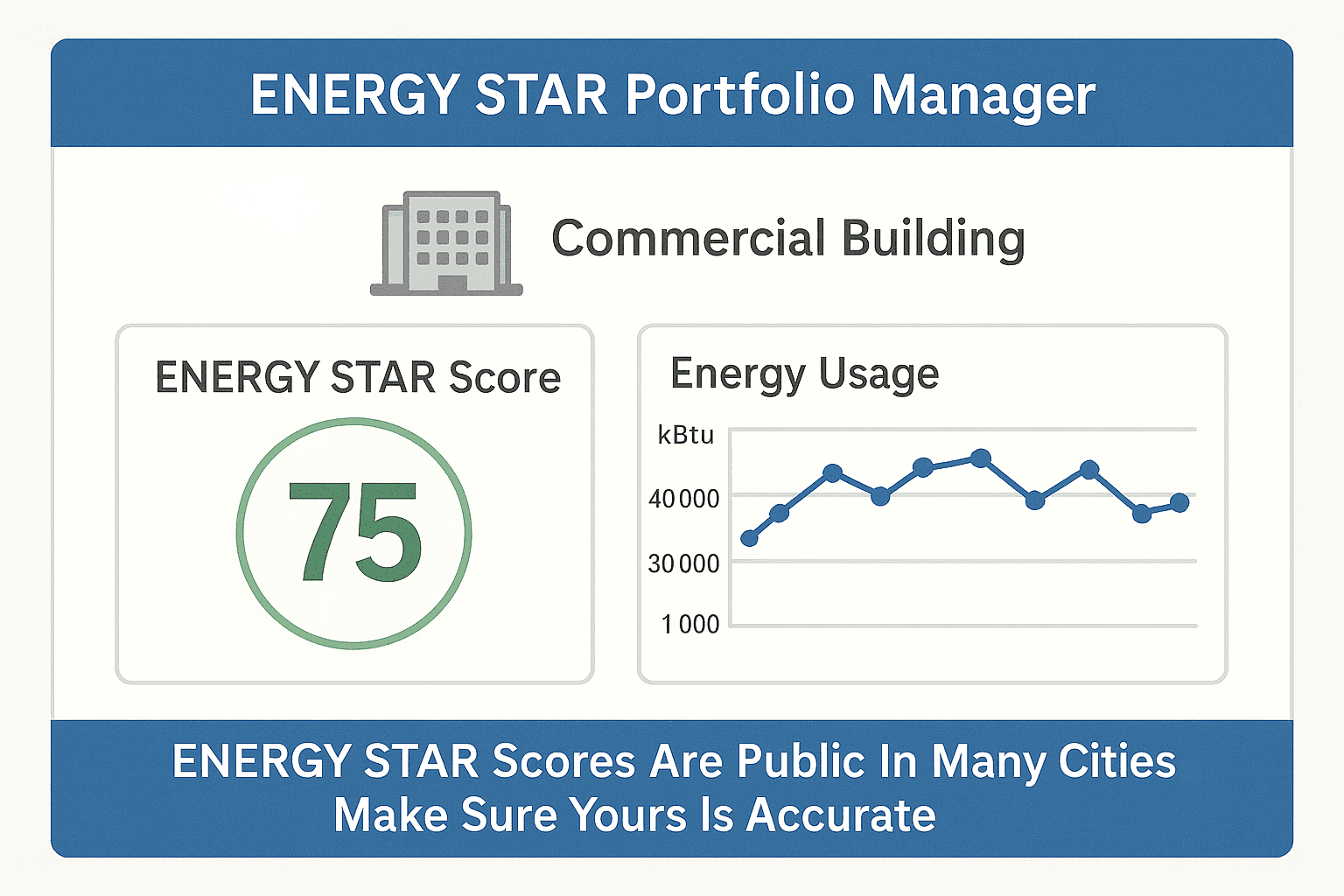
Benchmarking often uses ENERGY STAR Portfolio Manager to compare your building to others nationwide.
Buildings with ENERGY STAR scores of 75 or higher use less energy than 75% of similar buildings.
3. You Get Fined For Mistakes, Not Just Missed Reports
Even if you file on time, incorrect data can lead to penalties.
4. Small Buildings Can Fall Under Benchmarking Laws Too
New rules now apply to buildings as small as 25,000 square feet, and in some cities, even smaller.
Not sure if benchmarking applies to your property? Contact our team below to find out:
Talk With The Benchmarking Team
5. You Don’t Need To Be A Benchmarking Expert
You don’t need to learn ENERGY STAR software or manage everything yourself. Many owners use service providers to handle benchmarking and avoid common errors.
6. Missed Reports Can Delay Sales Or Loans
Lenders and buyers now ask for proof of energy performance. A missing benchmarking report can delay or cancel deals involving commercial properties.
7. Benchmarking Deadlines Can Change Year To Year
Many cities adjust due dates or update reporting rules. Staying updated is key. What was true last year might not be true this year.
8. Your ENERGY STAR Score Isn’t Just A Number
A low score can impact how your building is viewed by tenants, investors, and regulators. ENERGY STAR scores are public record in some cities..
9. You Might Be Double-Covered By State And Local Laws
Some buildings must file reports for both their city and their state. A building in New York City may need to follow local laws and New York State clean energy rules.
10. Benchmarking Can Save You Money
ENERGY STAR-certified buildings use 35% less energy than average buildings.
Common Benchmarking Myths (Busted)
Myth: “Benchmarking only matters if I want to go green.”
Fact: It’s often a legal requirement, and helps with property value, too.
Myth: “I already did this last year, I’m covered.”
Fact: Benchmarking is an annual requirement in most cities.
Myth: “My utility handles this for me.”
Fact: Utilities may provide the data, but you are responsible for submitting accurate reports.
Myth: “Fines only happen if you skip it completely.”
Fact: Incomplete or inaccurate reports can also lead to penalties.Why This Matters Now
Benchmarking is part of your building’s public profile, legal standing, and energy performance history. As more cities raise their energy standards, getting it wrong (or ignoring it) exposes you to expensive fines.
70% of commercial energy fines in 2024 came from benchmarking issues, not major audit failures.
What You Should Do Next
Ready to make sure your benchmarking is correct, complete, and filed on time?
Here’s your action plan:
- Check your city or state’s 2026 benchmarking deadlines
- Verify if your property falls under any new rules for the year ahead
- Get help with ENERGY STAR Portfolio Manager if you don’t want to handle it in-house
- Book a review with our team to ensure your data is accurate and complete
Want to ensure your compliant with your benchmarking laws?
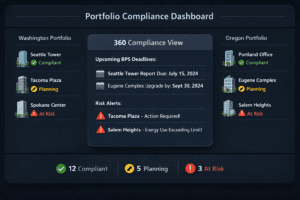
Create a free membership with our compliance tracking software and see what you need to get benchmark compliant today.