

As environmental regulations tighten and sustainability becomes a key driver of business strategy, ignoring energy benchmarking laws could cost commercial property owners more than just non-compliance fines. These laws are rapidly evolving from regulatory obligations into strategic tools that impact your corporate reporting, operational efficiency, and long-term asset value.

By understanding how to embed these laws into your reporting process, you can enhance transparency, demonstrate leadership in ESG (Environmental, Social, and Governance), and unlock new opportunities for energy savings, compliance confidence, and tenant appeal.
This guide will walk you through what benchmarking laws are, how they affect your reporting obligations, and how to use them as a lever for smarter property management and stakeholder trust.
What Are Benchmarking Laws And Why Do They Matter?
Benchmarking laws are municipal, state, or federal regulations that require commercial property owners to track, report, and often publicly disclose their building’s energy and water consumption. These laws are designed to reduce greenhouse gas emissions by increasing visibility into building performance.
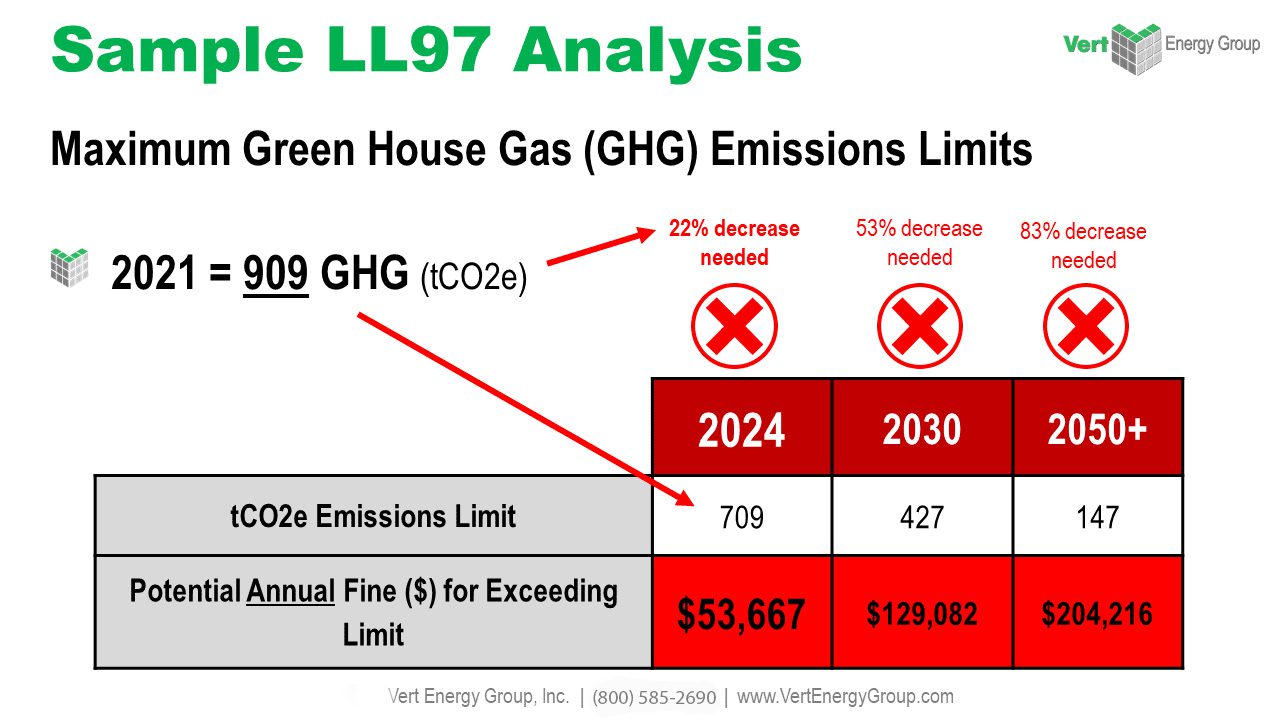
In more than 40 cities and jurisdictions across the U.S., building owners must comply with some form of energy benchmarking legislation. Many of these rules are tied to energy grades, retrofit mandates, or carbon caps, and failure to comply can lead to fines, violations, and reputational harm.
But benchmarking is more than just a compliance checkbox. It helps:
📉 Identify underperforming buildings and systems
💡 Reduce energy waste and operating costs
🏢 Meet investor and tenant expectations around sustainability
📊 Strengthen annual ESG and CSR (Corporate Social Responsibility) reporting
Why Annual Corporate Reporting Must Evolve
If you’re responsible for managing annual reports or sustainability disclosures, failing to account for benchmarking laws can signal incomplete environmental oversight to investors, auditors, and regulators. On the other hand, integrating this data can demonstrate that your organization:
- Proactively complies with environmental mandates
- Is committed to continuous operational improvement
- Understands and manages climate-related risks tied to your assets
Today’s corporate stakeholders, whether they’re investors, tenants, or regulators, expect more than aspirational sustainability statements. They want measurable results, third-party data, and proof of performance. That’s exactly what benchmarking laws enable.
Embedding Benchmarking Into Your Property Management Strategy

The integration of energy benchmarking into your annual reporting isn’t just about meeting legal deadlines, it’s about unlocking value across operations, compliance, and the market.
Cost Savings And Efficiency Gains
By collecting and analyzing consumption data, you can identify high-usage systems, inefficient buildings, or seasonal usage trends. These insights can lead to targeted efficiency upgrades that reduce utility costs and free budget for capital improvements.
Increased Asset Value And Tenant Demand
Properties that demonstrate energy efficiency often command higher valuations, better tenant retention, and greater appeal to ESG-minded investors. With many tenants now factoring sustainability into leasing decisions, benchmarking data can be a competitive differentiator.
Future-Proofing Against Regulation
As local governments expand their benchmarking laws, integrating them into your current reporting process ensures your organization is ready for the next phase, whether that’s performance standards, retrofit mandates, or carbon reduction targets.
Strategies For Incorporating Benchmarking Into Corporate Reporting

To successfully integrate benchmarking laws into your annual reporting process, consider the following structured approach:
1. Build A Data Infrastructure That Supports Reporting
Establish a system for consistent, accurate data collection across your properties. This could include submetering, building automation systems, and cloud-based energy management platforms. Your infrastructure should be able to provide:
- Real-time and historical usage data
- Site-level breakdowns
- Automated reporting to regulatory portals (e.g., ENERGY STAR Portfolio Manager)
- Reliable data is the backbone of both compliance and insight.
2. Use Your Annual Report To Communicate Progress
Benchmarking data shouldn’t live in spread sheets, it should be a visible part of your sustainability or ESG section within annual reports. Showcase how your properties are performing, which improvements have been made, and what goals you’re targeting.
This transparency builds trust with shareholders, tenants, and internal stakeholders while reinforcing your brand’s commitment to environmental stewardship.
3. Tap Into Energy Benchmarking Expertise
Working with professionals who specialize in energy benchmarking ensures your data is accurate, your reports are compliant, and your strategies are optimized. Benchmarking consultants can:
- Interpret usage data and trends
- Help you comply with over 60 local laws nationwide
- Identify cost-saving opportunities and risk areas
- Align your reports with third-party frameworks like GRESB, CDP, or LEED
- The right partner will make compliance smoother and reporting more impactful.
From Compliance To Competitive Edge
Energy benchmarking isn’t just about ticking regulatory boxes. It’s a powerful lens into your building’s performance and a tool for smarter, more profitable decision-making. When integrated properly into your annual reporting, it enhances your:
Operational agility – through proactive identification of inefficiencies
Stakeholder trust – by showing commitment to data-driven sustainability
Brand positioning – as a forward-thinking, environmentally responsible owner or operator
Take Action: Lead With Compliance, Win With Transparency
The future of property management is being shaped by performance data, environmental policy, and stakeholder expectations. Energy benchmarking laws sit at the intersection of all three, and how you respond could shape your organization’s risk profile, valuation, and market positioning.

If you’re unsure how to start, or how to upgrade your current processes, our team at VertPro® is here to help. We offer:
- Instant pricing on energy audits
- Benchmark compliance support for over 60 laws nationwide
- Building upgrade insights tailored to energy performance
- User-friendly tools for ongoing tracking and reporting
Get A Competitive Advantage Through Better Benchmarking
Now is the time to act. Don’t let your next annual report fall short of evolving expectations. Incorporate benchmarking data to demonstrate leadership, reduce costs, and future-proof your assets.
👉 Schedule a free consultation with our benchmarking experts to learn how to integrate compliance into a larger strategy for sustainability and profitability.
👉 Visit VertPro.com to explore our full suite of energy efficiency and reporting tools tailored for commercial property professionals.
Lead with compliance. Report with confidence. Stand out with sustainability.