

The new year is almost here—and with it comes a fresh wave of energy laws, audit cycles, and reporting requirements that building owners need to plan for now.

Whether you manage one commercial property or an entire portfolio, the best gift you can give your team this season is a clear plan for what’s ahead. That’s why we’ve created this 2026 energy compliance wish list, a quick way to get organized, stay ahead of deadlines, and avoid surprises in Q1.
Why Planning Now Matters
2026 won’t just bring new due dates. Many cities and states are updating clean energy ordinances, expanding benchmarking rules, and starting audit cycles that will apply to more building types.
If you wait until Q2 to figure it all out, you may face:
- Missed submission windows
- Scrambled vendor bookings
- Late fees or warnings from the city
- Gaps in ENERGY STAR scores or compliance dashboards
Planning early means you get ahead of the crowd, lock in the help you need, and start the year with confidence. A little preparation now saves a lot of time later.
Your 2026 Energy Compliance Wish List
Here are the most important items to check, track, or schedule as you head into the new year. Use this list to review your current status and build a Q1 strategy that keeps your buildings on track.

- Benchmarking Due Dates: Confirm which buildings are due to report in 2026 and what platforms they must use (like ENERGY STAR Portfolio Manager or city portals).
- Audit Scheduling: Check which buildings are in their required audit year. Some ordinances require audits every 5–10 years, or when ENERGY STAR scores drop below target.
- Ordinance Changes: Research any updates to city- or state-level energy laws. Look for rule changes, new building size thresholds, or updated penalties.
- Portfolio Gaps: Review your full list of buildings to make sure no sites are missing from your compliance tracking system.
- Data Accuracy: Clean up 2025 data to ensure a smooth handoff into 2026 reporting. That includes utility records, square footage, and occupancy details.
- Vendor Coordination: If you’re working with energy service providers, lock in Q1 dates now. Don’t wait until the spring rush.
New Trends And Ordinances To Watch In 2026
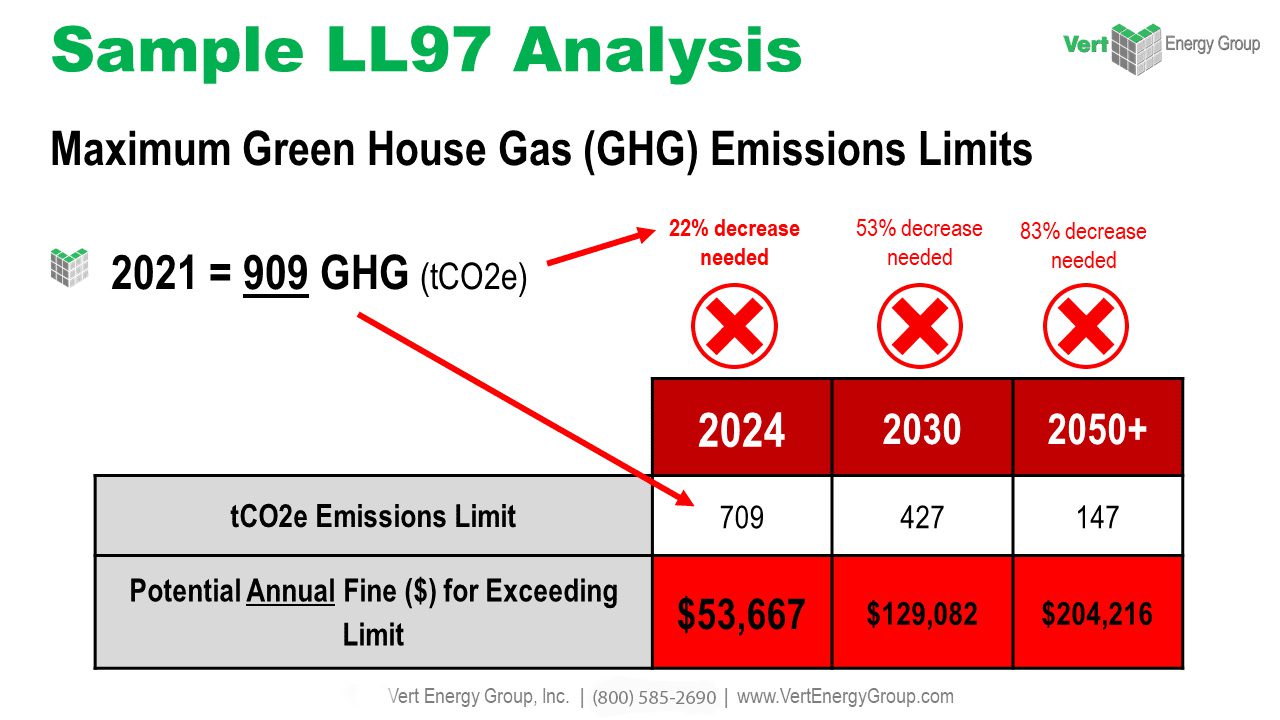
Many jurisdictions are tightening rules to meet carbon goals. If your building previously wasn’t included in benchmarking or audit rules, that may change in 2026. Several cities are lowering the minimum square footage required for compliance, meaning more midsize buildings will be affected.
Also, look out for new performance standards tied to energy use intensity (EUI). These are more than just reports, they require action when buildings fall below a performance threshold.
And more cities are adding retro-commissioning or O&M plan requirements alongside audits. If you’re used to submitting just one report, 2026 might require two or more filings per property.
Key Dates That May Affect You
While every city is different, many building performance deadlines happen between April and September. The problem is that most people don’t check their requirements until it’s too late to schedule audits or verify their data.
Q1 is the ideal time to confirm:
- What’s due
- What’s changed
- Who’s responsible
- When submissions must be filed
This gives you time to assign tasks, reach out to vendors, and prevent compliance bottlenecks later in the year.
How to Make Your 2026 Strategy Easy

The best way to manage energy compliance is to treat it like any other critical system, planned, tracked, and managed early. Most mistakes happen not because of bad data, but because of bad timing.
Here’s how to stay ahead without overwhelming your team:
First, assign someone to own compliance across your properties. It doesn’t have to be a full-time role, but someone needs to know what’s due and when. Second, centralize your reports and documents in one system, don’t rely on scattered emails or spreadsheets. Third, create a calendar with known deadlines, upcoming audit years, and recurring tasks like benchmarking reviews.
If that sounds like too much to handle internally, consider a compliance support provider who can track these moving parts for you.
Who Should Use A Compliance Wish List?
This kind of planning isn’t just for large portfolios. If you manage:
- A building over 25,000 square feet
- Properties in cities with benchmarking laws
- Any site with an ENERGY STAR score under 75
- Buildings with audits due in 2026
Then this checklist applies to you.
Even a single missed deadline can result in fines, city notifications, or delays in permits and financing. Getting organized now keeps you compliant and protects your reputation going into 2026. Talk to our team about your 2026 strategy.