

How Energy Audits Save Money
An energy audit is not the finish line. For many building owners, it is the starting point. The real value comes from what happens after the report is delivered.
Too often, audit reports are read once and then stored away. The recommendations look helpful, but owners are unsure what to do next. This is where a clear energy audit action plan makes the difference.
This article explains how to move from audit report to action, how to prioritize recommendations, and how to align audit findings with real compliance and savings goals.
Why Audit Reports Alone Do Not Create Value

Energy audits are designed to identify opportunities. They point out inefficiencies, outdated systems, and areas where upgrades may reduce energy use.
What audits do not do is tell owners how to act. They do not account for budgets, timelines, or compliance rules. Without a plan, even strong recommendations stall.
This gap is why audit report analysis is critical. Owners must translate findings into decisions, not just observations.
What An Energy Audit Action Plan Is
An energy audit action plan is a structured way to move from recommendations to execution. It connects technical findings to business priorities.
Instead of asking, “What upgrades are possible?” the plan asks, “What should we do first, and why?”
A strong action plan considers cost, savings, compliance, and timing together. It also defines which actions are required and which are optional.
Step One: Analyze The Audit Report Correctly
The first step after receiving an audit is proper analysis. Many owners skim the executive summary and jump to the savings numbers.
That approach misses key details. Recommendations may depend on assumptions that no longer apply. Some measures may overlap or conflict.
Good audit report analysis means reviewing scope, baseline data, and assumptions. It also means checking how recommendations align with actual building operations.
Audit Findings VS Compliance Requirements

Not every audit recommendation is tied to compliance. Some are efficient upgrades. Others are optional improvements.
This is where confusion often starts. Owners assume all findings must be implemented to stay compliant.
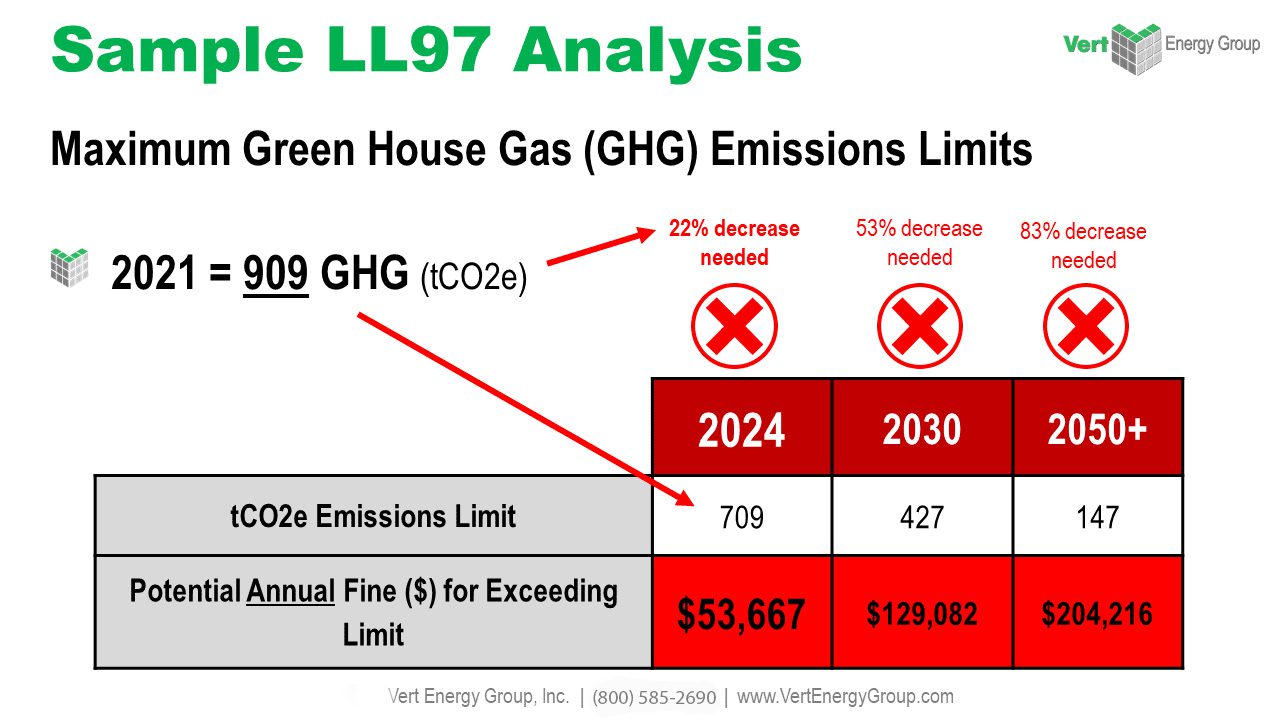
In reality, audit findings vs compliance requirements are not the same. Compliance laws often require planning, documentation, or performance targets, not specific upgrades.
An action plan separates what is required from what is recommended. This clarity reduces stress and improves decision-making.
How To Prioritize Audit Recommendations
Most audits include many recommendations. Implementing all of them at once is rarely practical.
Prioritization is the core of audit recommendations implementation. Owners must decide what delivers the most value first.
Here are the main factors that should guide prioritization:
- Compliance impact and regulatory deadlines
- Cost to implement versus expected savings
- Operational disruption and ease of execution
- Eligibility for incentives or rebates
- Alignment with planned capital projects
This process helps identify which audit recommendations actually save money and which can wait.
Which Audit Recommendations Actually Save Money

Not all recommendations deliver the same return. Some upgrades reduce energy use quickly. Others take years to pay back.
This is where energy audit ROI matters. Owners should focus first on measures with clear financial benefits.
Lighting upgrades, controls optimization, and scheduling changes often produce fast savings. Larger system replacements may offer long-term value but require planning.
Turning Recommendations Into A Phased Plan
Once priorities are set, the next step is sequencing. Few buildings can handle all upgrades at once. A phased approach spreads costs and reduces disruption. It also allows owners to learn from early actions before committing to larger projects.
This is a key part of implementing audit findings effectively. Each phase should have clear goals and timelines.
Audit-Driven Efficiency Upgrades And Operations
Some of the most valuable recommendations are operational, not capital-intensive. These are often overlooked.
Setpoint changes, control adjustments, and maintenance improvements can deliver savings without major spend. These audit-driven efficiency upgrades are ideal early actions.
Aligning the Action Plan With Compliance Strategy
An audit action plan should not live in isolation. It should connect to broader compliance planning.
Many laws require proof of action, not just intent. Others require progress over time.
By aligning the action plan with compliance milestones, owners avoid last-minute decisions. This reduces risk and improves outcomes.
Common Mistakes After Receiving An Audit Report
Many owners make similar mistakes after audits. These errors slow progress and reduce value.
Below are the most common issues that prevent audits from turning into results:
- Treating the audit as a one-time requirement
- Trying to implement every recommendation at once
- Ignoring operational improvements
- Failing to align actions with compliance deadlines
- Not revisiting the plan as conditions change
- Avoiding these mistakes keeps the action plan realistic and effective.
Reviewing Progress And Updating The Plan

An energy audit action plan should be reviewed regularly. Buildings change. Energy prices shift. Regulations evolve.
Reviewing progress ensures actions are delivering expected results. It also allows owners to adjust priorities.
This keeps the plan relevant over time. It turns the audit into a living strategy, not a static document.
What To Do After Receiving An Energy Audit Report
Many owners ask what to do immediately after receiving an audit. The answer is not to rush into upgrades.
The first step is analysis. The second is prioritization. The third is planning.
This structured approach answers the question of what to do after receiving an energy audit report with confidence.
It also ensures that actions support both savings and compliance goals.