
2026 Is Shaping Up To Be One Of The Most Complex Years For Energy Compliance.
From benchmarking and audits to ordinance filings and performance deadlines, staying on top of it all takes serious time and expertise. That’s why more building owners and managers are enrolling in something new: the Compliance Protection Program (CPP).
This isn’t just another reminder service. It’s a full building energy protection plan that keeps your properties compliant, your data clean, and your team focused, without missing a single requirement.
What Is A Compliance Protection Program?
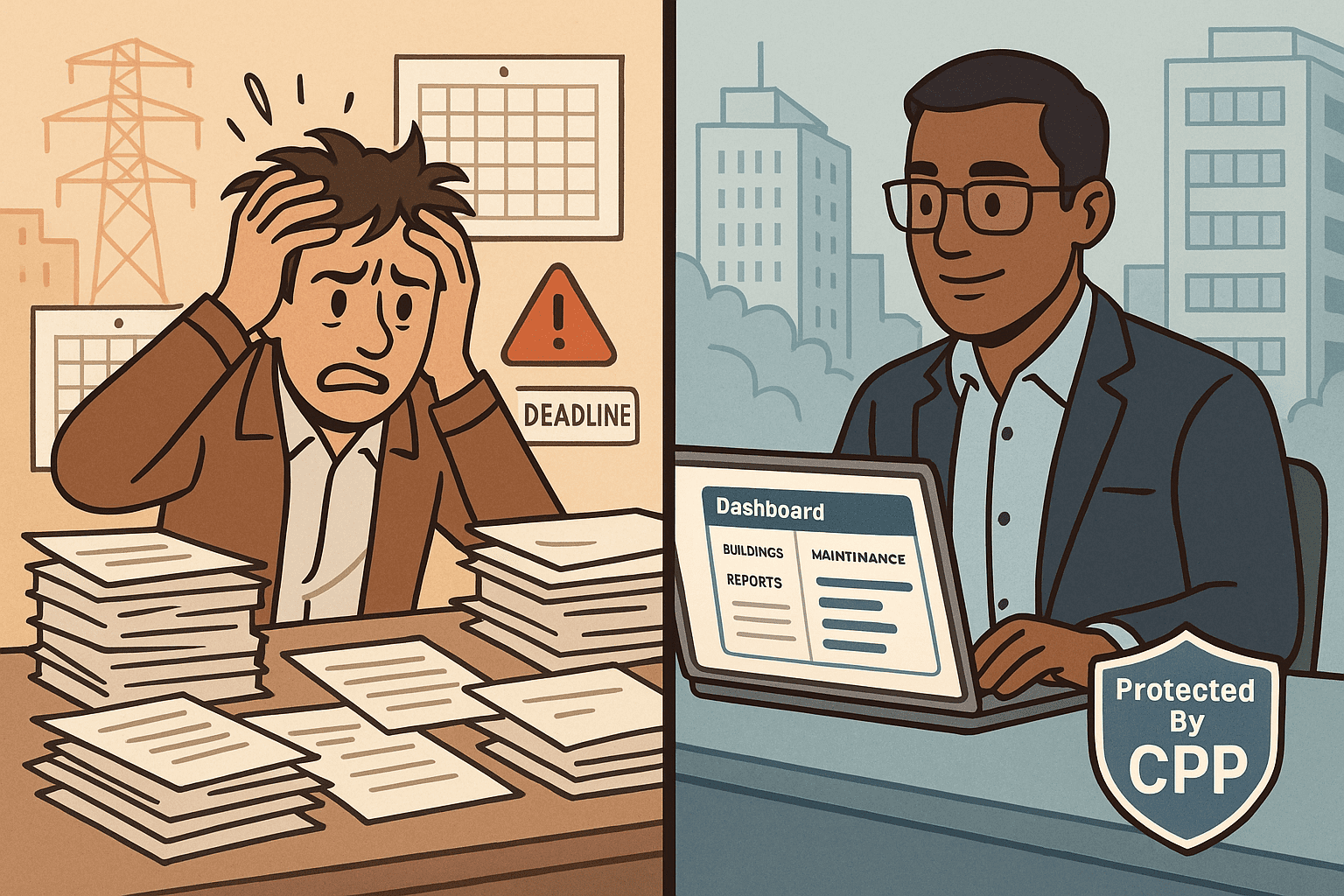
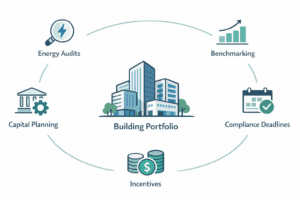
Think of a Compliance Protection Program as an “all-in-one coverage plan” for energy laws. It protects your building from compliance risks by handling everything related to your filings and reports. That includes tasks like benchmarking, energy audits, O&M plan reviews, retro-commissioning, and submission of city and state-level forms.
Instead of managing multiple consultants or worrying about what’s due and when, the CPP team takes care of it from start to finish. That means you get accurate filings, complete records, and peace of mind.
Why You’ll Need Full Protection For 2026
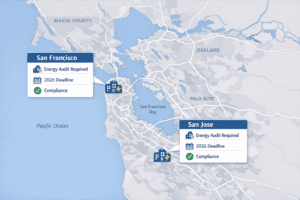
Compliance won’t be simple in 2026. Many cities are rolling out new deadlines, activating audit cycles, and tightening enforcement. At the same time, more states are adding clean energy rules that overlap local laws.
That means building owners face more reporting requirements, higher stakes for mistakes, and less room to fall behind. In short: compliance is no longer a once-a-year task. It’s something you’ll need to manage all year long.
This is where a CPP can help. By enrolling now, you hand off that complexity to a team that knows the law, tracks the changes, and handles the submissions for you.
The Consequences Of Missed Filings
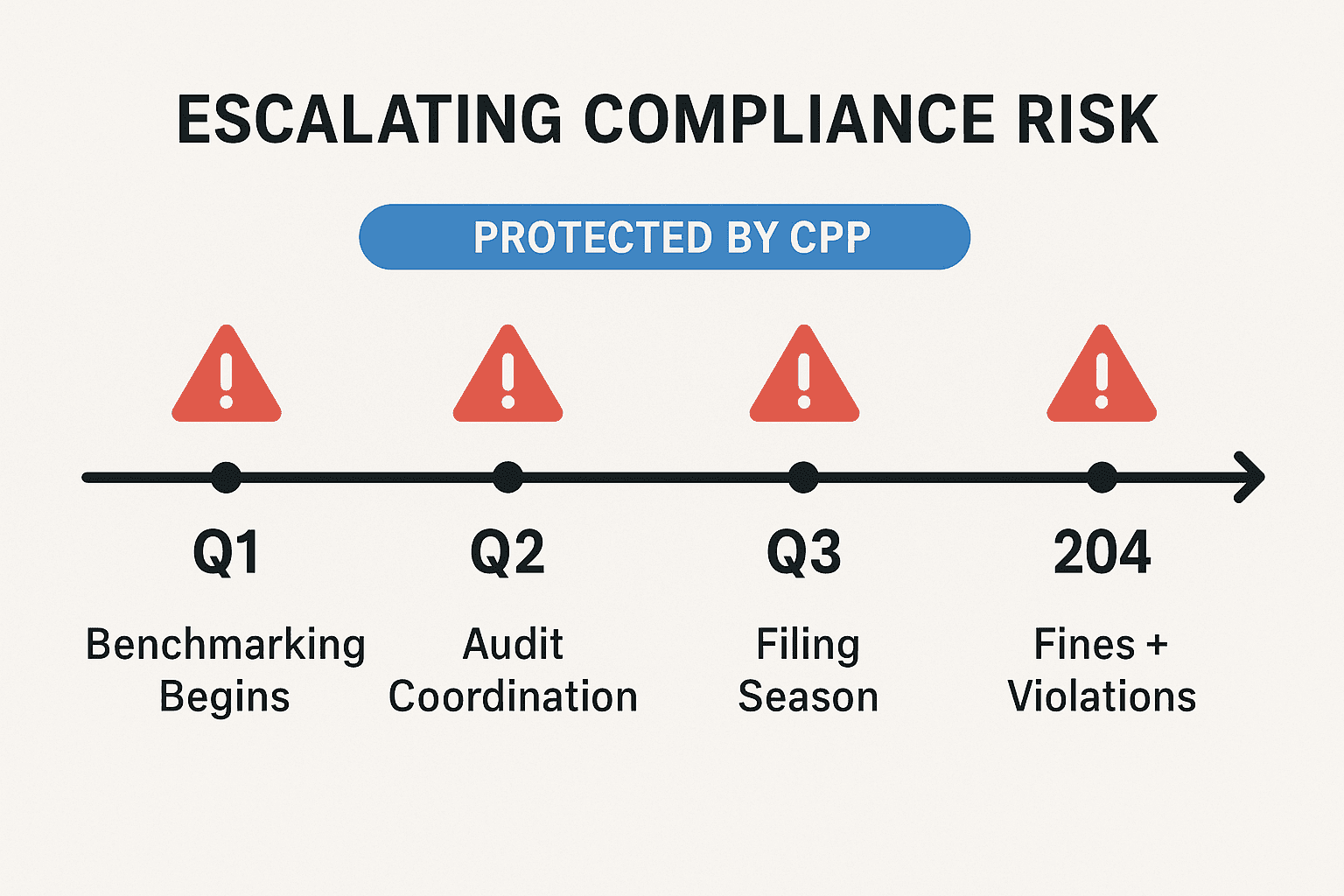
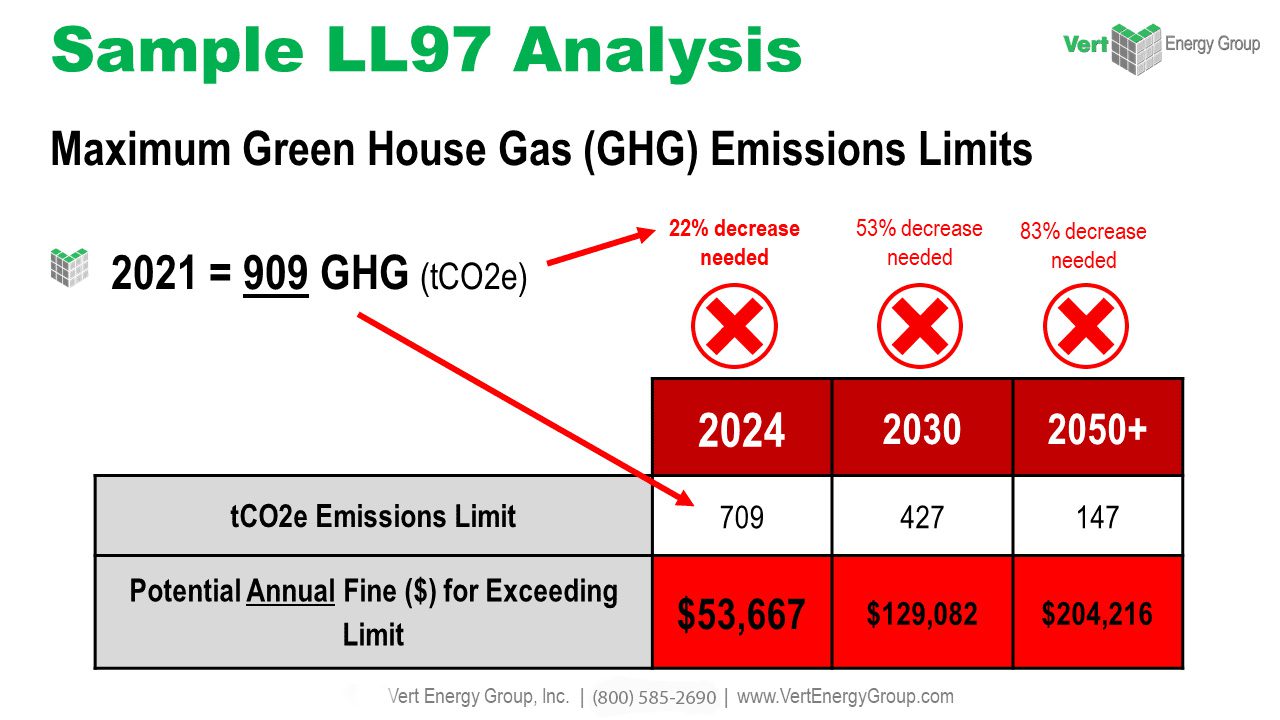
Missing a deadline doesn’t just cost time, it can cost you real money. In some cities, fines for late or missing reports can run as high as $2,000 per property. Several cities now publicly list non-compliant buildings, which could hurt your reputation with tenants, lenders, or buyers.
Even worse, if you’re applying for permits or financing, missing compliance documents can delay deals or kill them entirely. And let’s not forget how hard it is to find last-minute help especially when audit vendors are booked months in advance.
DIY Vs. Compliance Protection Program: What’s The Difference?
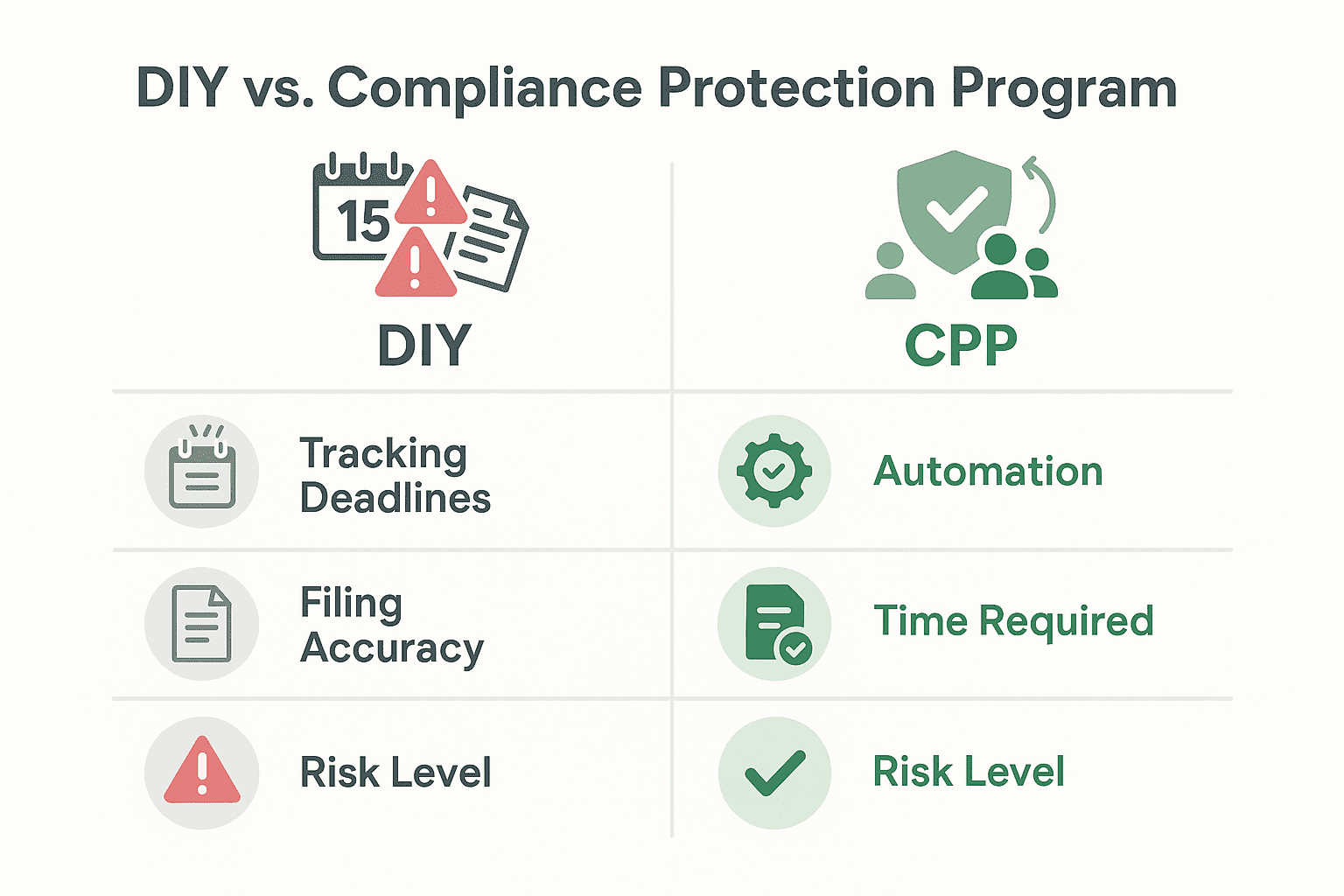
Here’s a quick comparison to show what a CPP covers, and how it stacks up against managing energy laws on your own:
| Task | DIY Approach | Compliance Protection Program |
| Tracking deadlines | Manual calendar reminders | Automated tracking + alerts |
| Benchmarking submissions | Self-submitted, risk of errors | Verified and submitted for you |
| Energy audits | Find, hire, manage contractor | Coordinated and scheduled |
| Ordinance updates | You research new rules | We monitor and act for you |
| Missed deadline risk | High | Very low |
| Time spent | 10–20 hours/year per property | Near-zero |
| Coverage | None | Full ordinance protection |
The bottom line: a CPP removes the risk of missed filings and gives your team the freedom to focus on operations, not on forms, portals, and filing deadlines.
What’s Included With The CPP Plan
Every Compliance Protection Program covers the core tasks needed to keep your building in full compliance. This includes benchmarking support, audit coordination, ordinance filing, and data verification. It also includes resubmission support if a filing is rejected, and real-time deadline tracking for every property you own or manage.
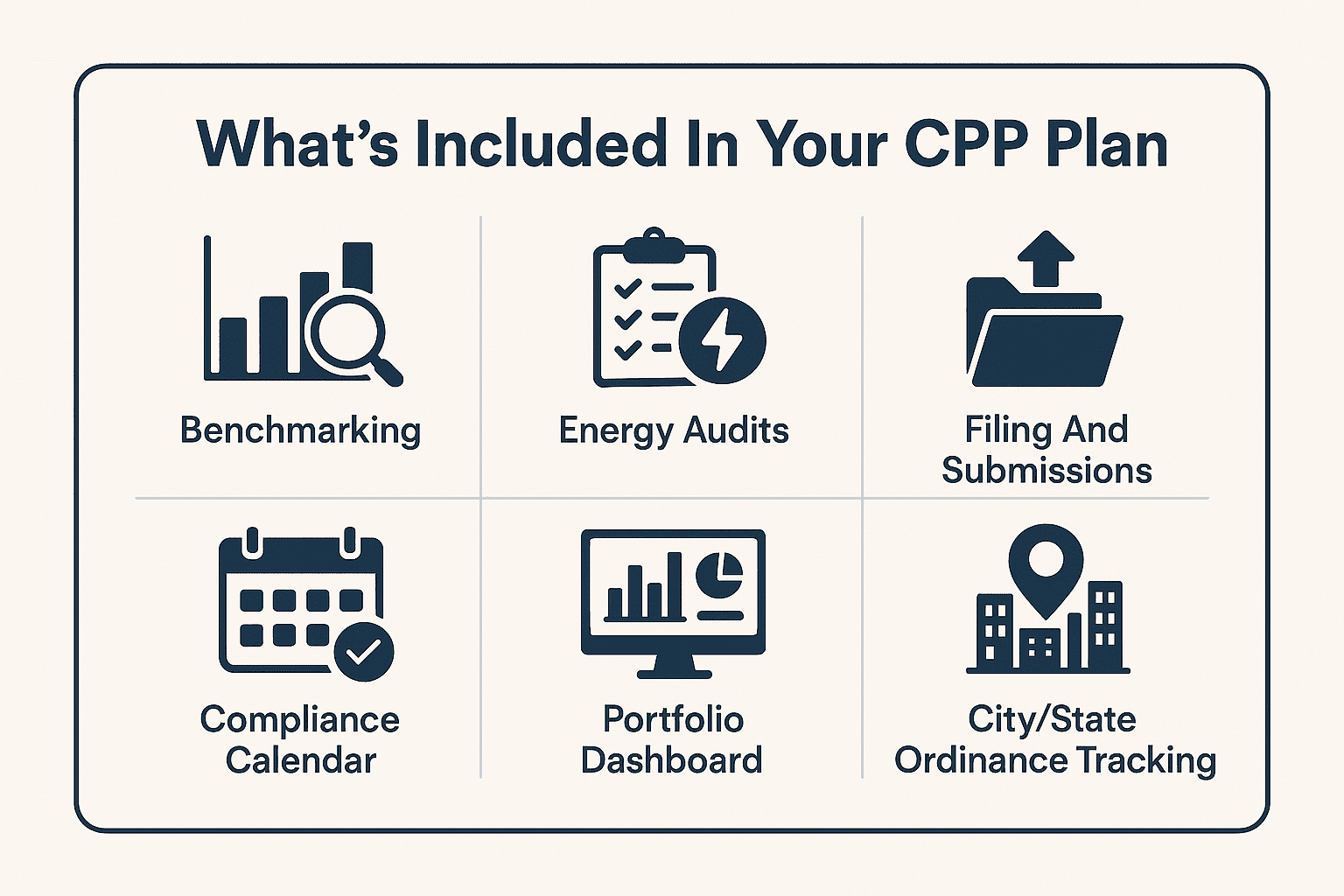
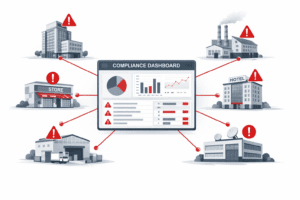
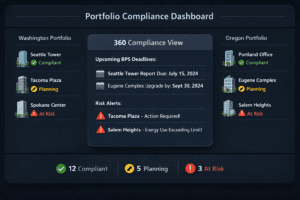
Many plans offer a dashboard where you can see everything in one place, completed reports, upcoming tasks, and year-over-year trends. And depending on your city, you may also receive discounted rates on required audits or retro-commissioning.
Who Needs The Compliance Protection Program
CPPs are a smart option for any building owner or property manager with energy reporting requirements. If your building is 25,000 square feet or more, you likely fall under at least one ordinance. This includes offices, multifamily properties, warehouses, hotels, and retail buildings.
Even if you’ve handled compliance internally in the past, 2026 will introduce new layers of reporting, and with it, more opportunities to miss a deadline or misfile a report.
Why More Teams Are Subscribing
Property teams across the country are moving toward compliance subscription models to protect time, budget, and reputation. A CPP offers peace of mind by tracking your entire portfolio, alerting you to rule changes, and managing filings on your behalf.
It also saves time. What once took 10 to 20 hours per year, per property, can now be done in minutes, because someone else is doing the work. Accuracy improves, too. Submissions are double-checked before being sent, and your records stay organized for future audits, buyers, or tenant inquiries.
Final Thought: Don’t Wait Until You’re Behind
By the time a compliance deadline shows up on your calendar, it might already be too late to fix a missed task or find help. That’s why thousands of owners are choosing to protect their buildings in advance.
With a Compliance Protection Program, you get ahead of the laws, avoid last-minute stress, and stay on track with every ordinance that applies to your portfolio.