
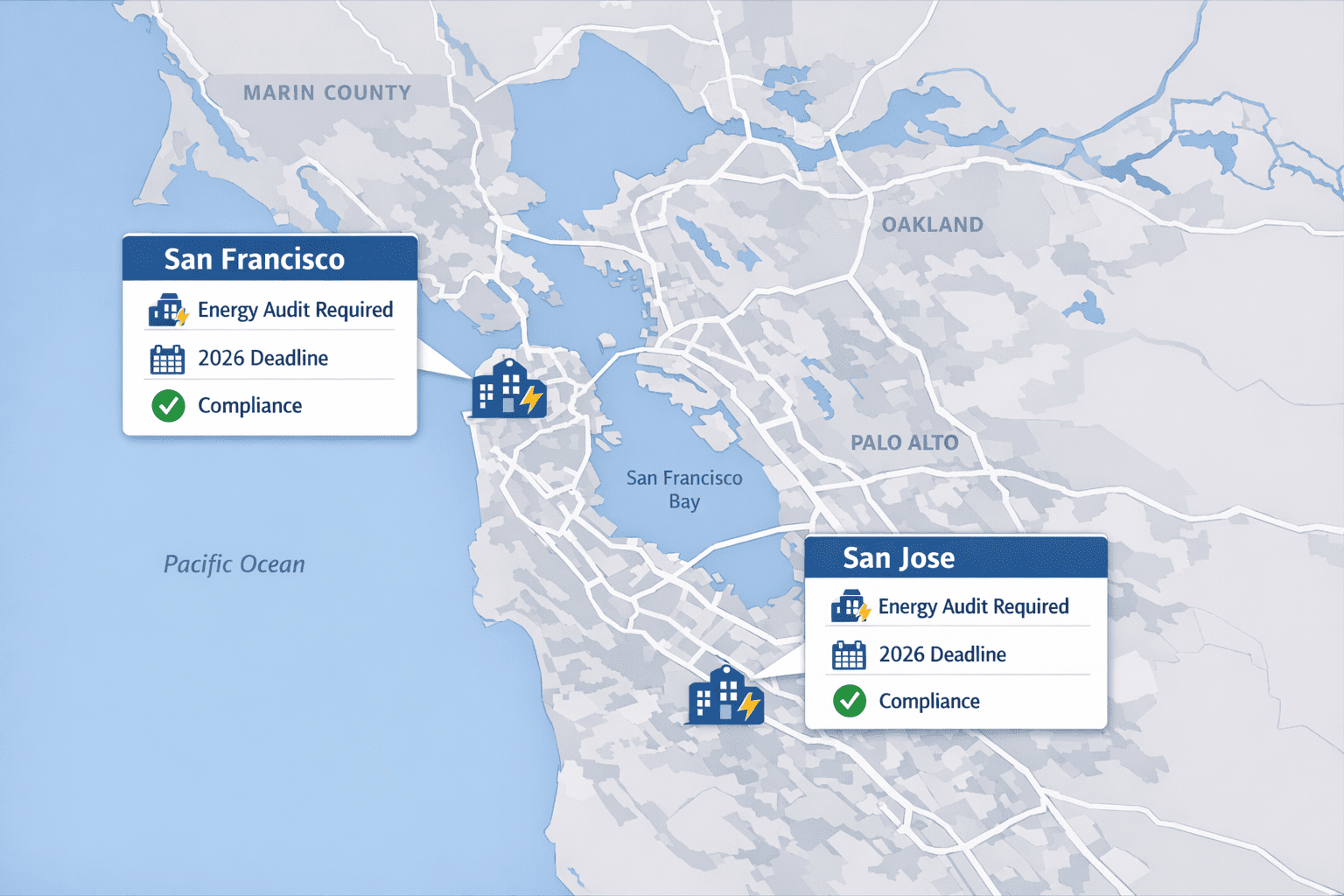
San Francisco & San Jose Energy Audit Requirements: What California Buildings Must Do Next
San Francisco and San Jose both require energy audits, but the rules, timing, and purpose are different from benchmarking and from Building Performance Standards (BPS), which causes confusion for many building owners.
This guide explains San Francisco energy audit requirements, San Jose energy audit requirements, and how California energy audit laws actually work,without mixing them up with benchmarking or BPS programs.
Energy Audits Are Required In San Francisco
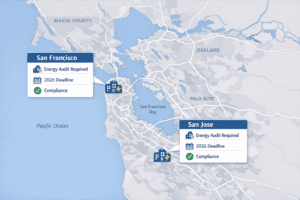
San Francisco requires commercial buildings to complete energy audits as part of the Existing Buildings Energy & Water Efficiency (EBEWE) Ordinance.

If you own a covered building in San Francisco, an energy audit is not optional. It is a mandatory compliance requirement designed to identify energy-saving opportunities and document building performance improvements.
Under San Francisco energy audit requirements, most non-residential buildings 20,000 square feet and larger must complete an energy audit once every five years. These audits must be conducted by a qualified professional and submitted through the city’s reporting process.
This requirement exists separately from benchmarking, which is filed annually using ENERGY STAR Portfolio Manager. Benchmarking reports energy use, while audits analyze how systems actually perform.
The SF Energy Audit Deadline For 2026
San Francisco organizes audit deadlines in rolling five-year cycles, meaning different buildings are due in different years.
For many properties, 2026 is a required audit year, and waiting until the deadline approaches can create serious risks. Audit providers book out months in advance, especially in Q1 and Q2 when compliance demand spikes.
Missing your SF energy audit deadline does not eliminate the requirement. It increases exposure to enforcement actions, fines, and public non-compliance notices. Early scheduling allows time to complete the audit correctly and address follow-up questions from the city.
San Jose Energy Audit Requirements Go Beyond Benchmarking
San Jose’s energy compliance framework begins with benchmarking but does not end there.
Under the San Jose Building Performance Ordinance (BPO), commercial buildings 20,000 square feet and larger must benchmark annually. However, buildings that fail to meet performance thresholds are required to complete commercial energy audits.
San Jose energy audit requirements are designed to move buildings from “tracking energy” to “improving energy.” These audits evaluate HVAC systems, lighting, controls, and building envelopes to identify real efficiency gaps.
As San Jose moves toward stricter enforcement cycles, audits are becoming a central compliance step rather than an exception.
Timelines In San Jose And San Francisco Are Similar But Not Identical
One common mistake is assuming that California energy audit laws operate the same way in every city.
San Francisco audits follow a predictable five-year schedule tied to EBEWE cycles. San Jose audits are triggered by benchmarking results, performance thresholds, and ordinance phases.
What they share is timing risk. In both cities, audits require:
📅 Scheduling qualified professionals
📊 Gathering utility and equipment data
🏢 On-site inspections and system reviews
🧾 Formal report submission and verification
That process typically takes 90–120 days, which means last-minute planning often leads to missed deadlines or rushed work.
Audit VS. Benchmarking: They Serve Different Purposes
Benchmarking and audits are related, but they are not interchangeable.

Benchmarking answers one question: How does my building compare to similar buildings? Audits answer a different one: What exactly needs to change inside my building to improve performance?
In California compliance programs, benchmarking is usually annual and data-based. Audits are periodic and operational. Confusing the two is one of the biggest reasons buildings fall out of compliance. Understanding this difference helps owners plan correctly and avoid filing errors.
California Energy Audit Laws Are Not The Same As BPS Laws
Another frequent source of confusion is mixing energy audits with Building Performance Standards (BPS).
California does not currently have a statewide BPS law that mandates performance targets like Washington, Colorado, or Boston. San Francisco and San Jose rely on audit and benchmarking ordinances, not BPS frameworks.
This matters because audits in SF and SJ focus on identifying efficiency measures, not forcing immediate emissions reductions. Treating these audits like BPS compliance can lead to over-spending or incorrect assumptions.
Clear regulatory separation helps owners comply efficiently without unnecessary upgrades.
Buildings That Delay Audits Face Operational Risks
Waiting to schedule an energy audit rarely saves time or money.
As deadlines approach, audit providers become scarce, prices rise, and report turnaround slows. Cities also increase enforcement activity near deadlines, which can result in penalties even when an audit is in progress but not completed.
Early audit scheduling reduces risk, provides flexibility, and allows owners to plan improvements on their own timeline instead of under pressure.
How Often Are Energy Audits Required In SF And SJ?
This is one of the most searched questions, and the answer depends on location.
San Francisco generally requires audits every five years for covered buildings. San Jose requires audits based on performance results and ordinance phases, which can vary by building.
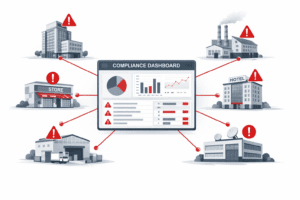
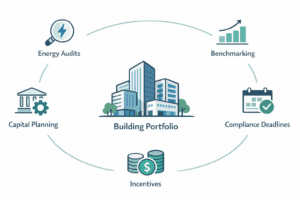
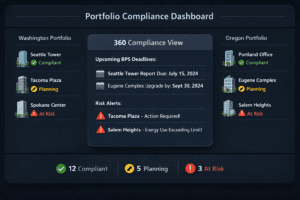
Because audit cycles are not annual, many owners lose track of when their next requirement occurs. This is why portfolio-level tracking is increasingly important for multi-building owners.
Preparing For An Energy Audit Is Easier When Done Early
The most successful audit projects begin with preparation, not panic.
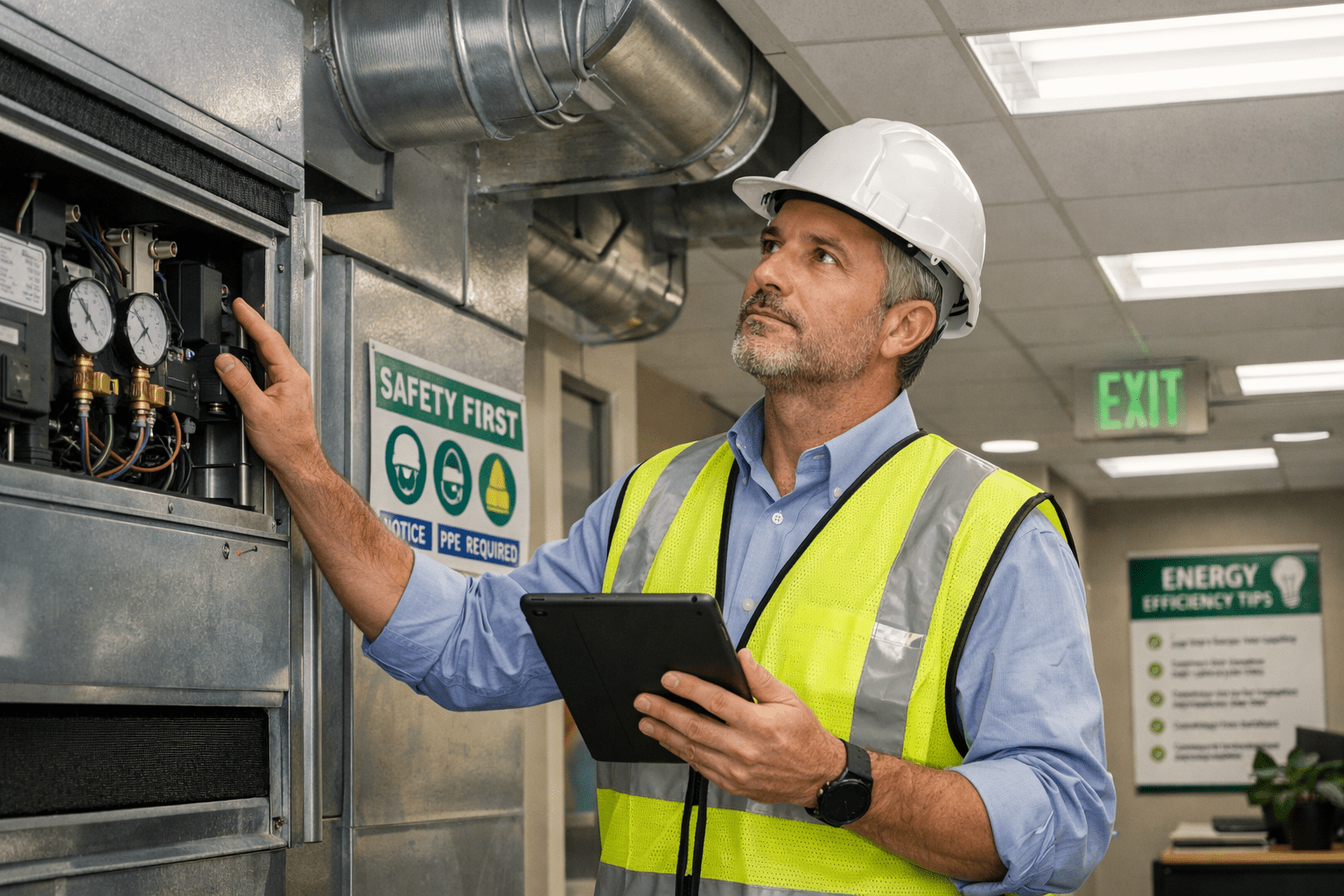
Owners who schedule early can review benchmarking data, organize equipment documentation, and identify obvious inefficiencies before the auditor arrives. This leads to cleaner reports, fewer follow-up questions, and smoother city approval.
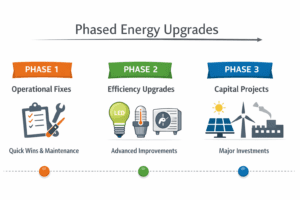
It also allows owners to align audits with capital planning instead of reacting to findings at the last minute.
San Francisco And San Jose Audits Are Easy With The Right Support
Energy audits involve technical requirements, city portals, and professional standards that are difficult to manage without experience.
Working with a team that handles San Francisco energy audit requirements and San Jose commercial energy audits regularly reduces errors and prevents re-submission delays.
More importantly, it ensures audits are filed correctly the first time, protecting compliance status and avoiding enforcement action.
Your Next Step: Schedule Your SF Or SJ Energy Audit
If your building is due in 2026, now is the right time to act.
Early audit scheduling gives you clarity, flexibility, and control over compliance instead of reacting to deadlines. It also prevents confusion between audits, benchmarking, and BPS laws.